Produsenten bak TV-seriene Exit og Lilyhammer, Anders Tangen, sier det ikke er politikk å delta på festivaler arrangert av okkupasjonsmakter på okkupert land.
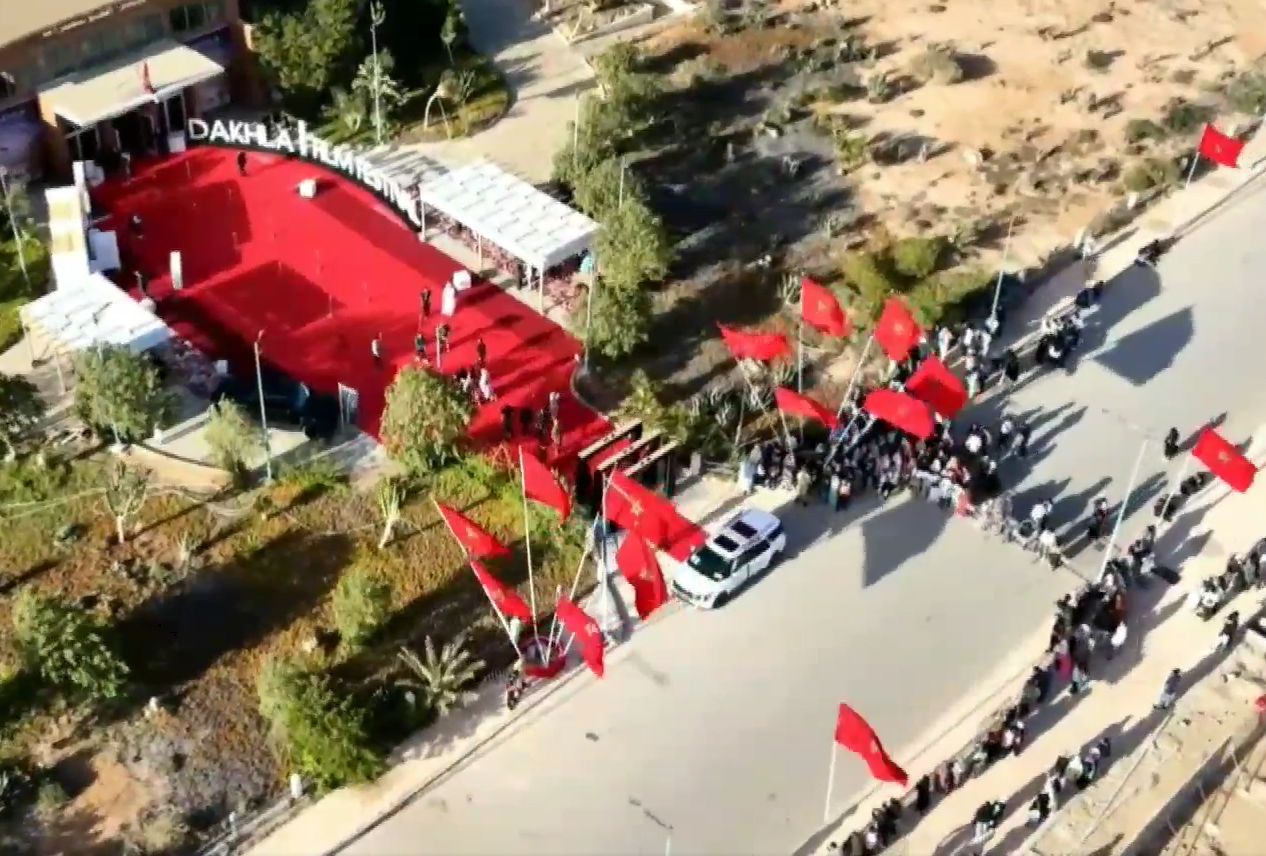
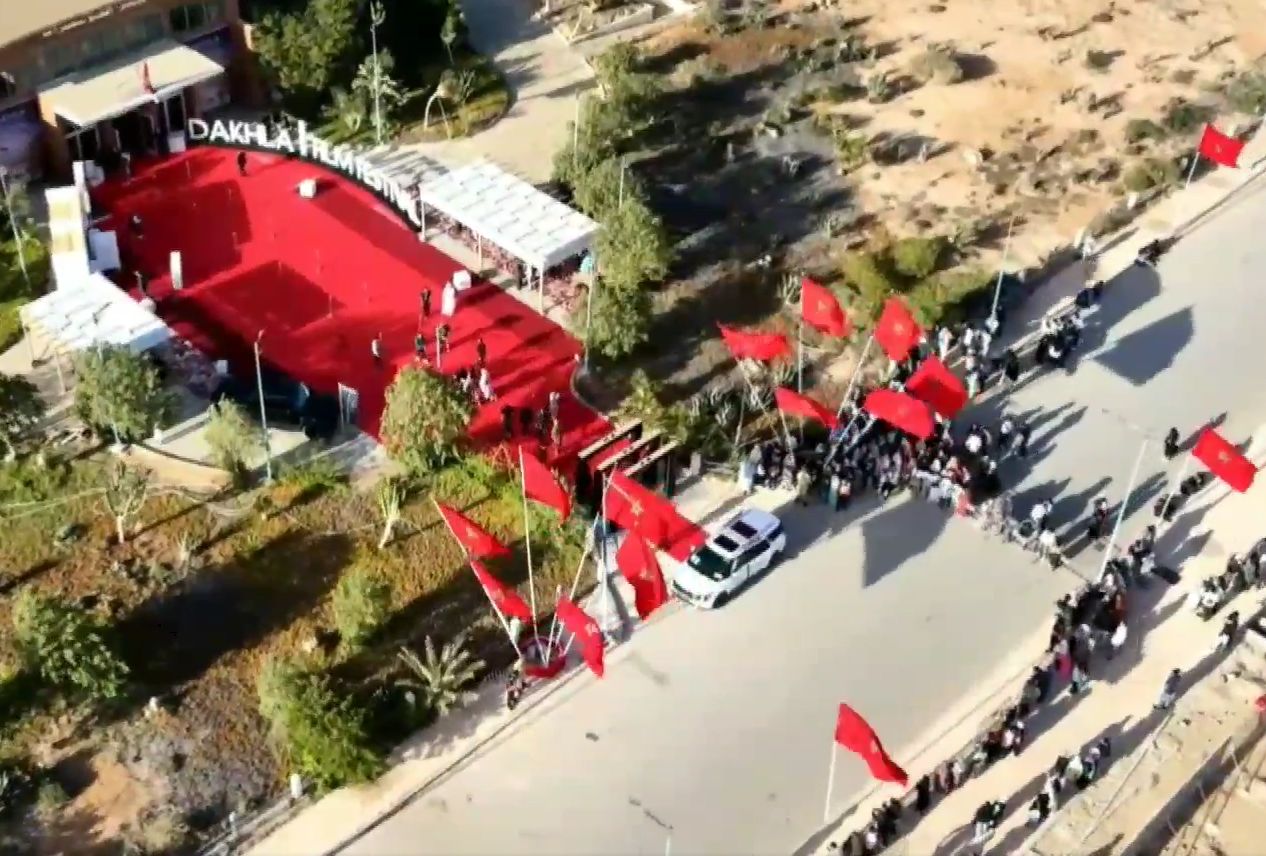
Den marokkanske filmfestivalen Dakhla International Film Festival sletter i et rasende tempo kritiske kommentarer fra sine sosiale medier.
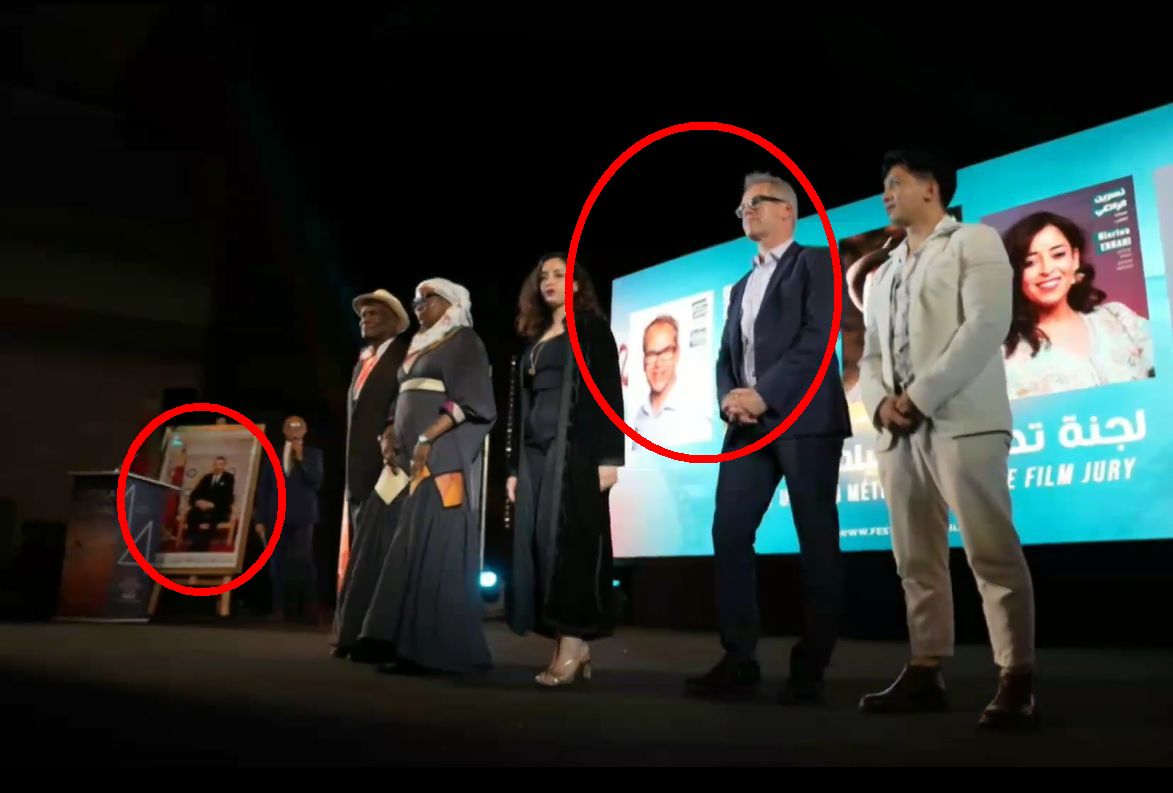
Filmprodusent Tangen sto på scenen i okkuperte Vest-Sahara i går, med bilde av den marokkanske kongen, omkranset av marokkanske flagg. “Vi fordømmer Tangens støtte til okkupasjonen av Vest-Sahara”, sier Støttekomiteen for Vest-Sahara.
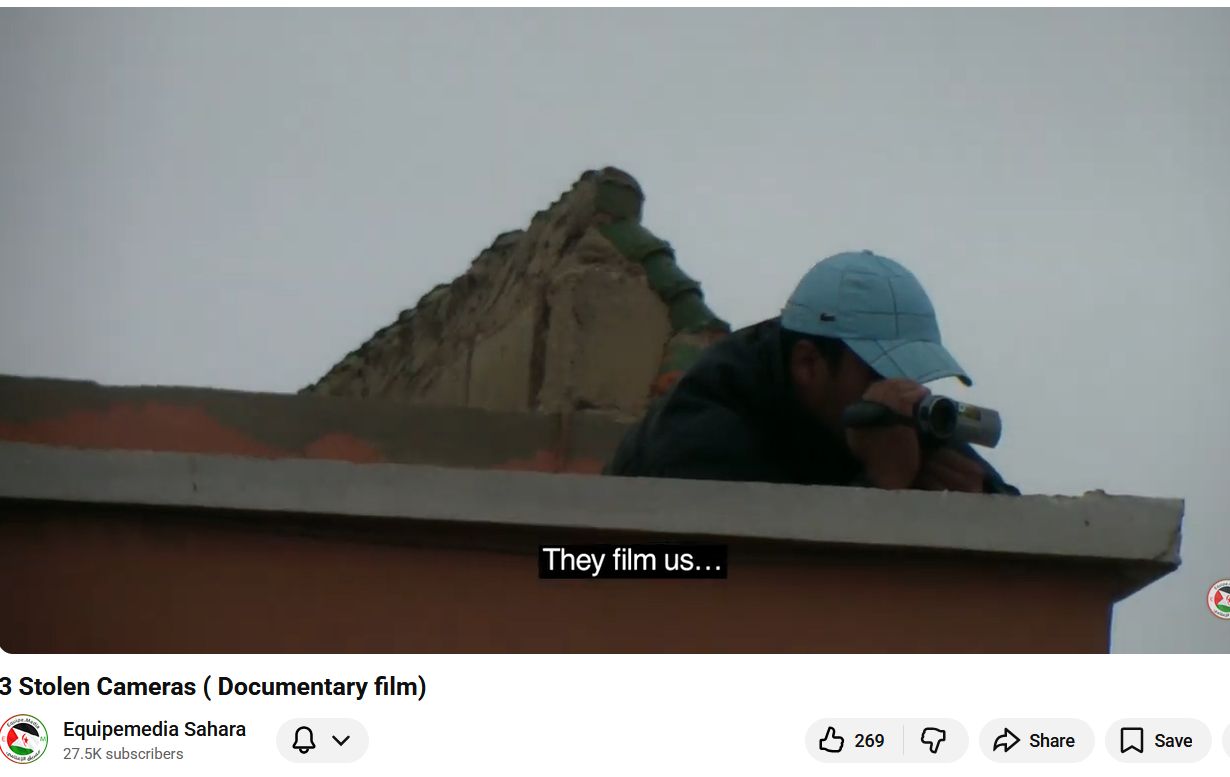
Saharawiske filmskapere fordømmer Marokkos filmfestival i okkuperte Vest-Sahara, og ber internasjonale deltakere stoppe sin støtte til det marokkanske propagandamaskineriet.
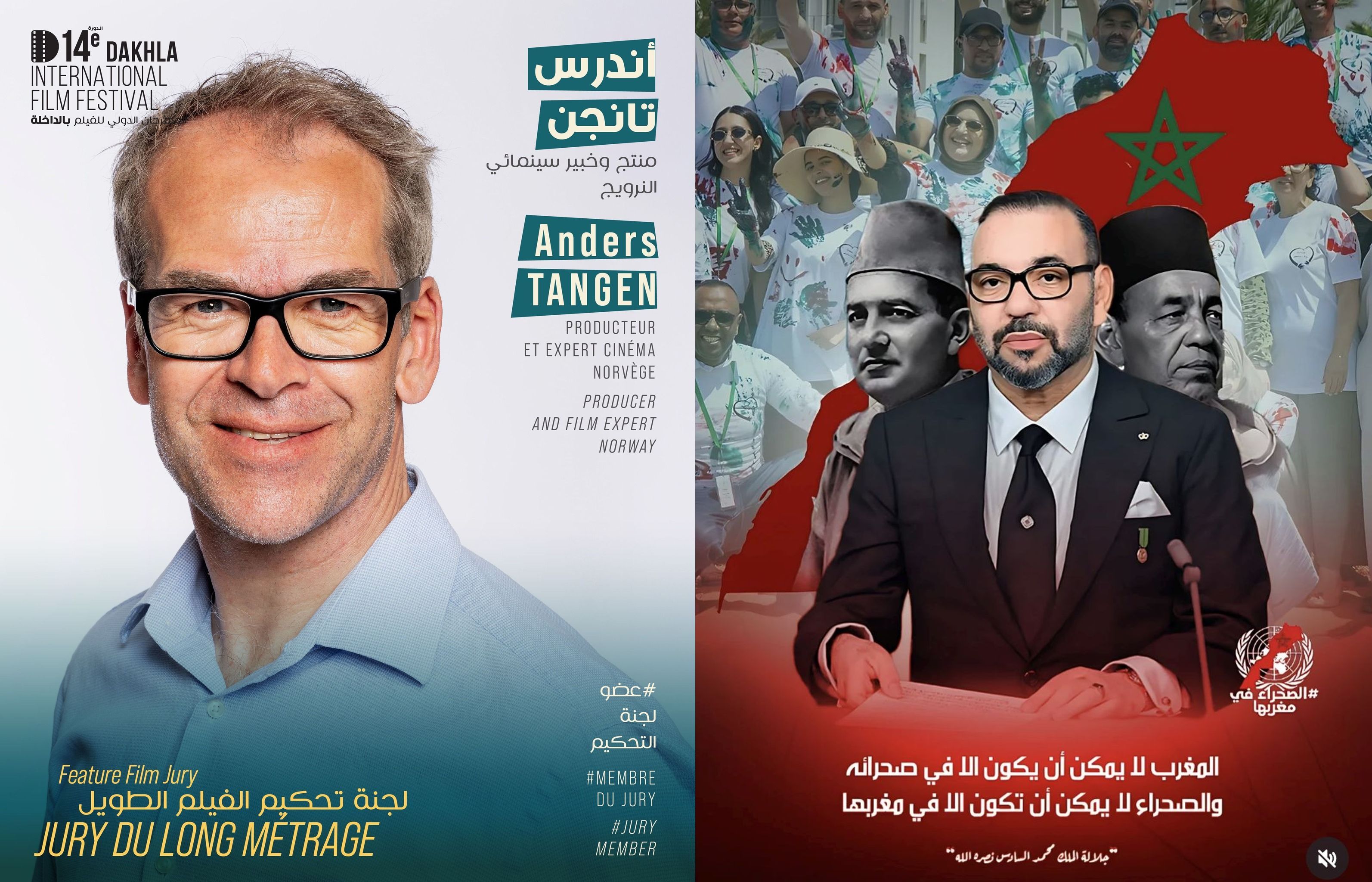
Produsentene bak Exit og Lillyhammer bidrar i Marokkos brutale okkupasjon av Vest-Sahara.
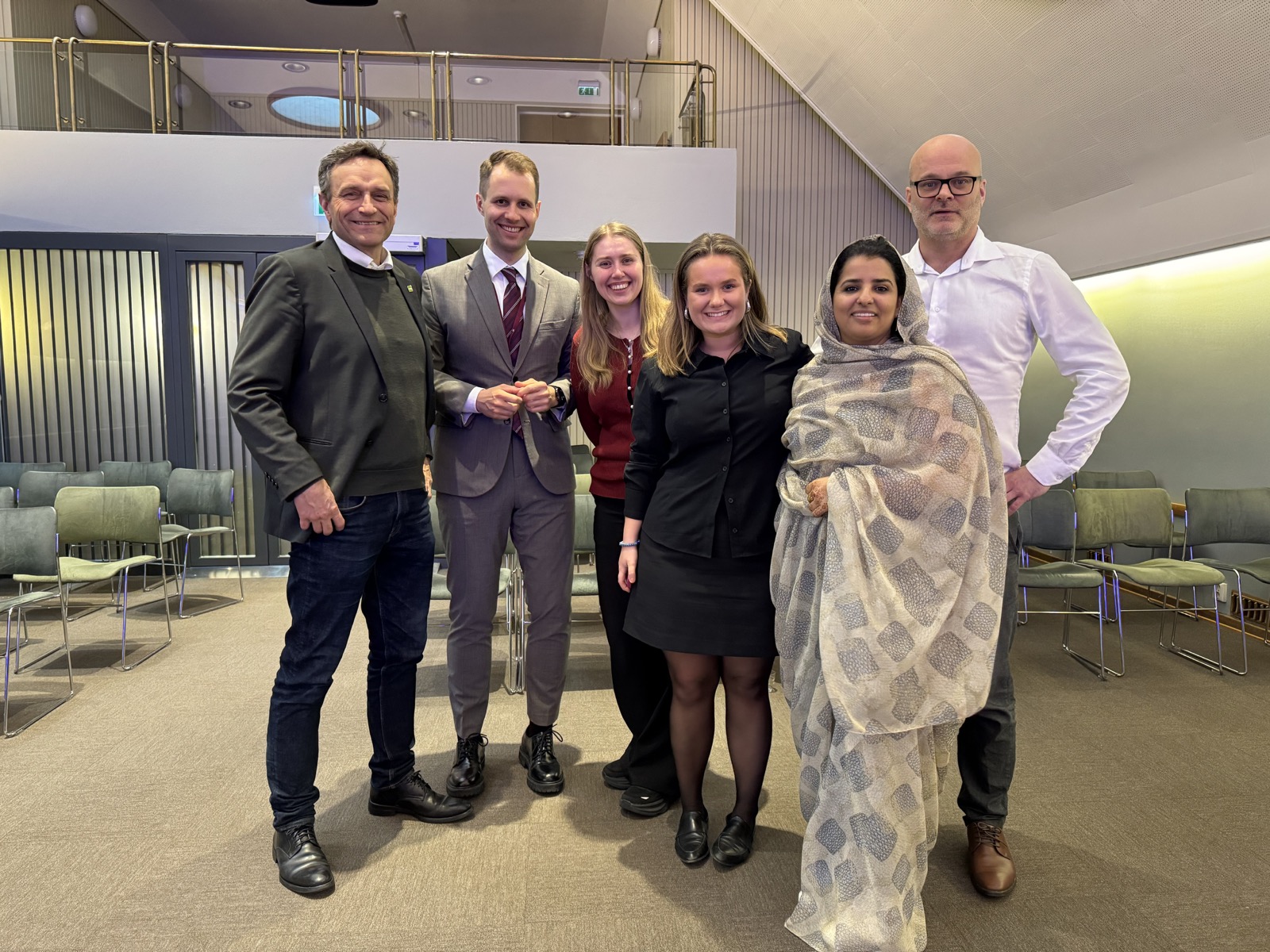
Stortingsrepresentanter fra alle ni partier står bak opprettelsen av en vennegruppe for Vest-Sahara på Stortinget i ettermiddag.
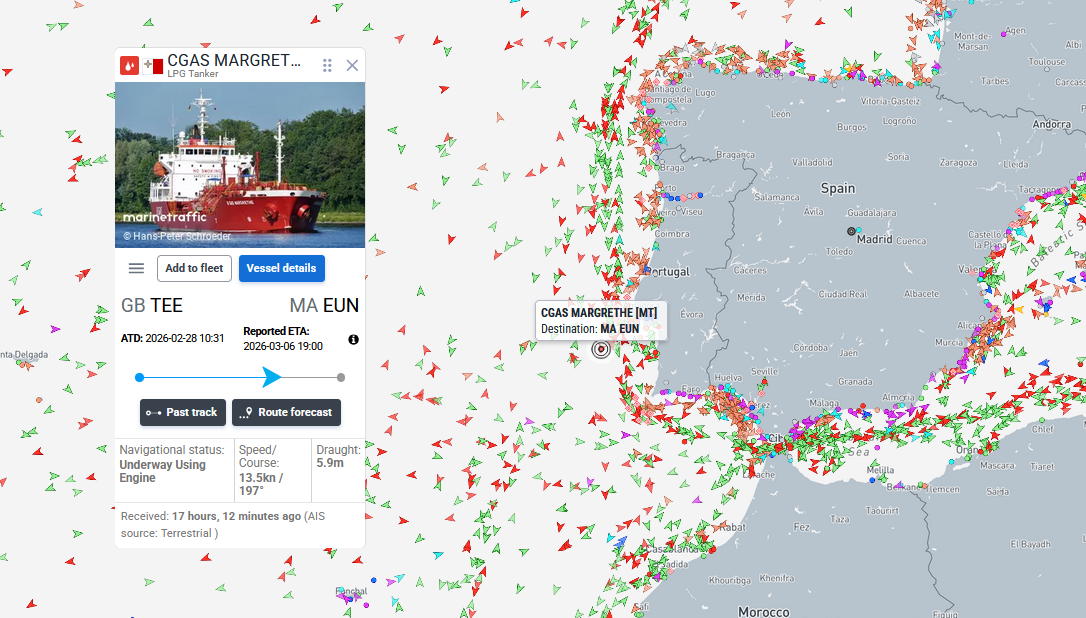
Enda en gang tar et fartøy ei av den norske Eitzen-familien turen til okkuperte Vest-Sahara med gass for okkupasjonsmakten Marokko.

Slik kan du bli medlem, og få verdens fineste plakat i posten.
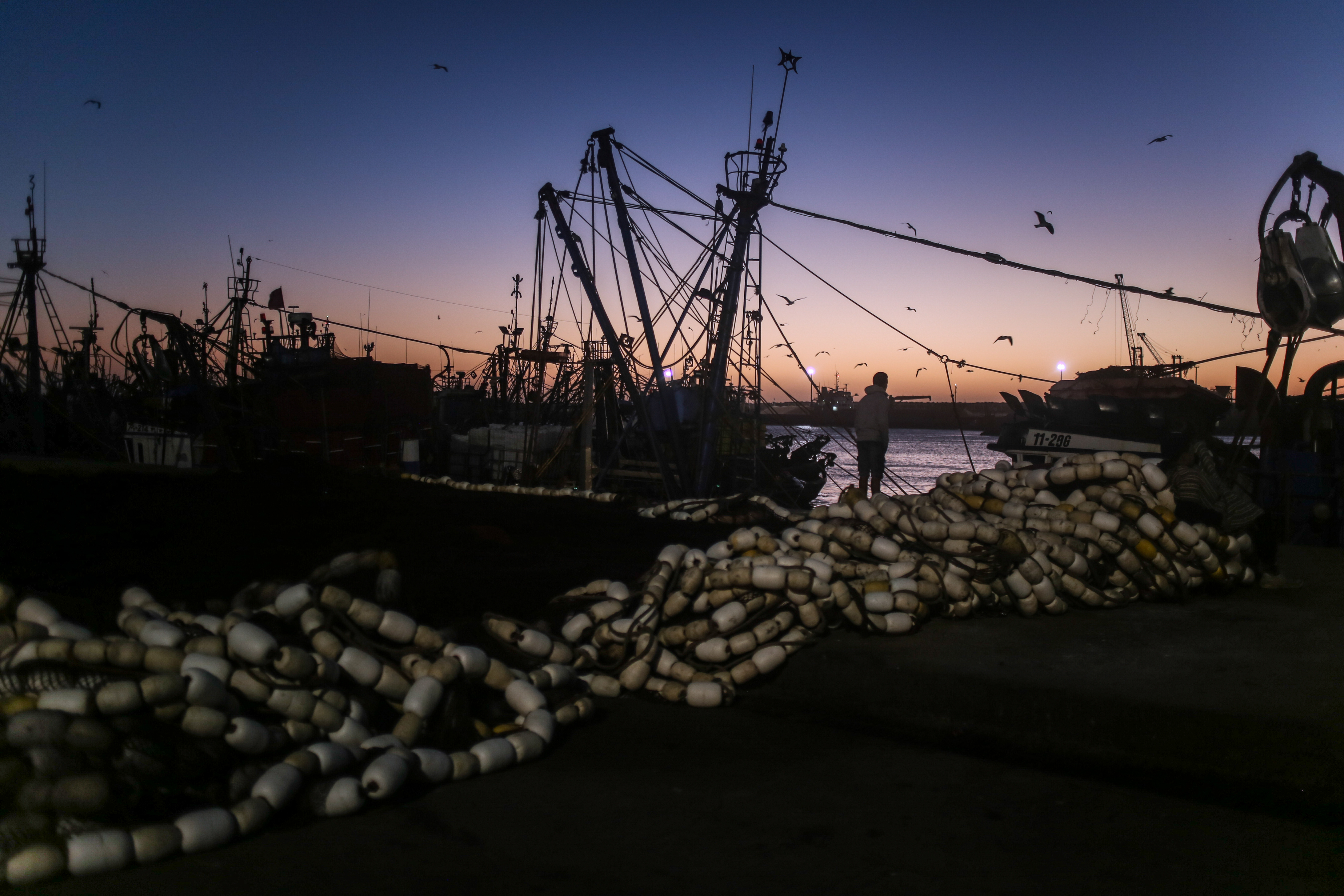
Internasjonale sertifiseringsstandarder dekker over Marokkos kontroversielle handel med fiskeri- og landbruksprodukter fra okkupert Vest-Sahara, dokumenterer ny rapport.
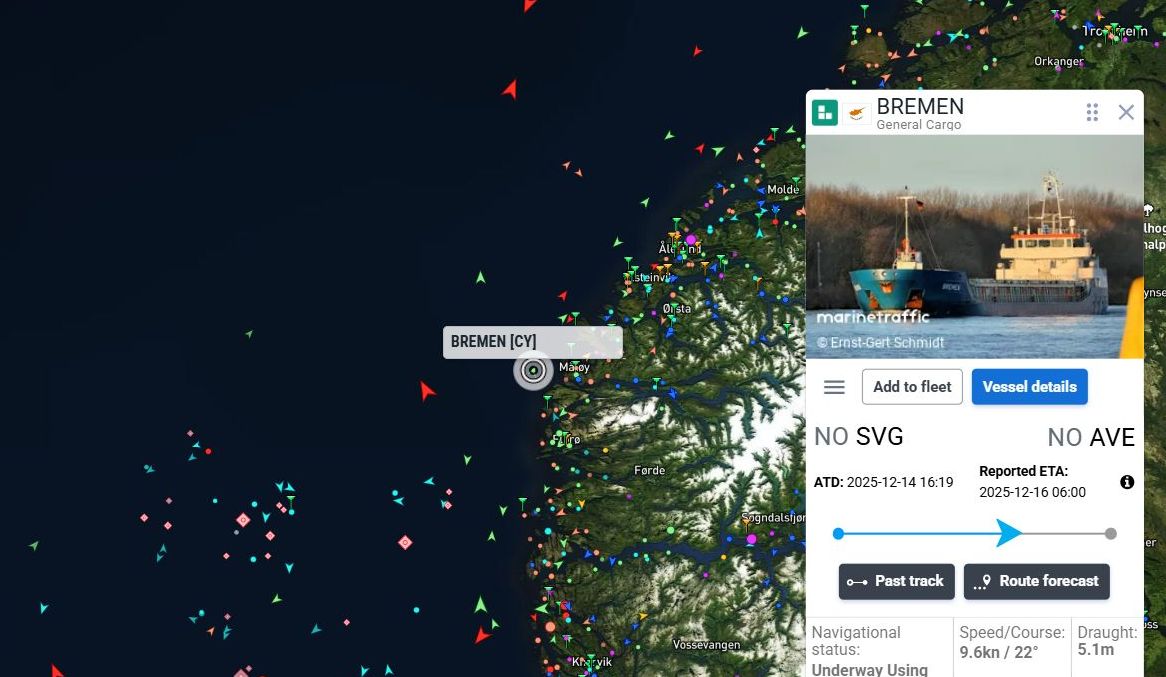
Et fartøy med fiskemel ankommer i natt Averøy utenfor Kristiansund. Transporten åpner spørsmål om et hullete sertifiseringssystem.
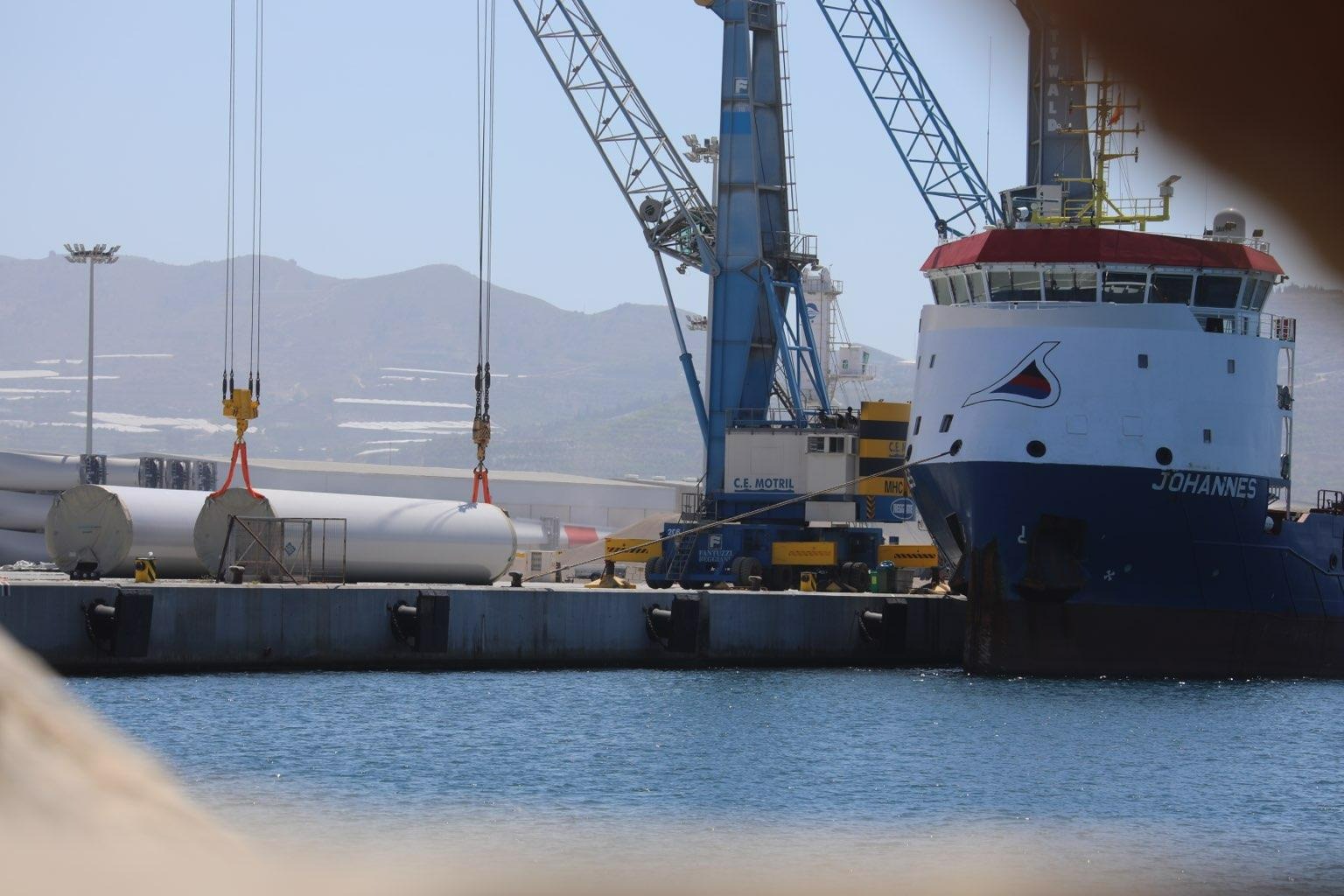
En ny rapport beskriver de massive - og dypt problematiske - prosjektene for fornybar energi som Marokko utvikler i okkuperte Vest-Sahara.
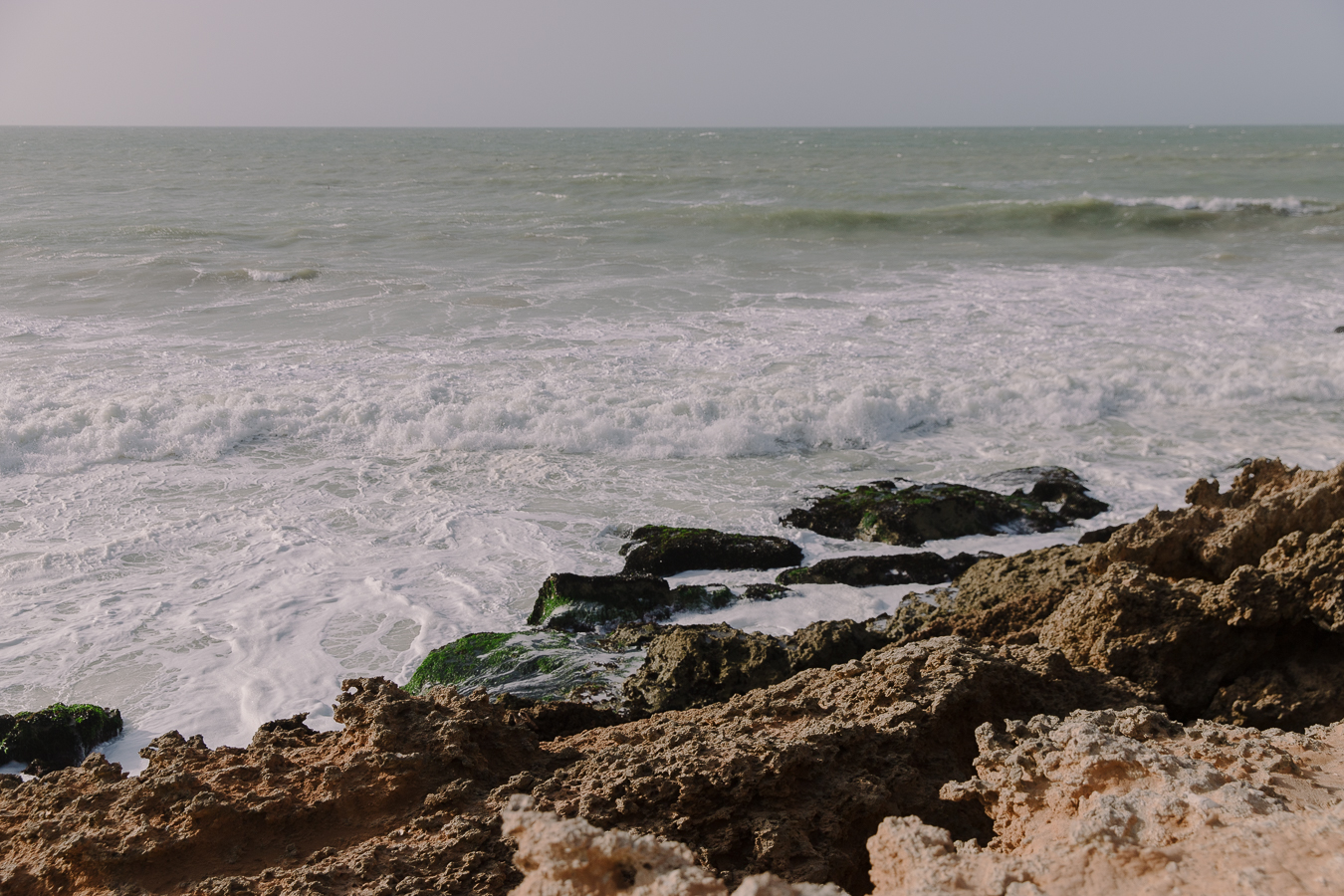
Sertifiseringsordningen avslutter samarbeidet med Azura Group og erklærer at ingen fremtidige sertifiseringer vil bli gitt til selskaper i det okkuperte territoriet.
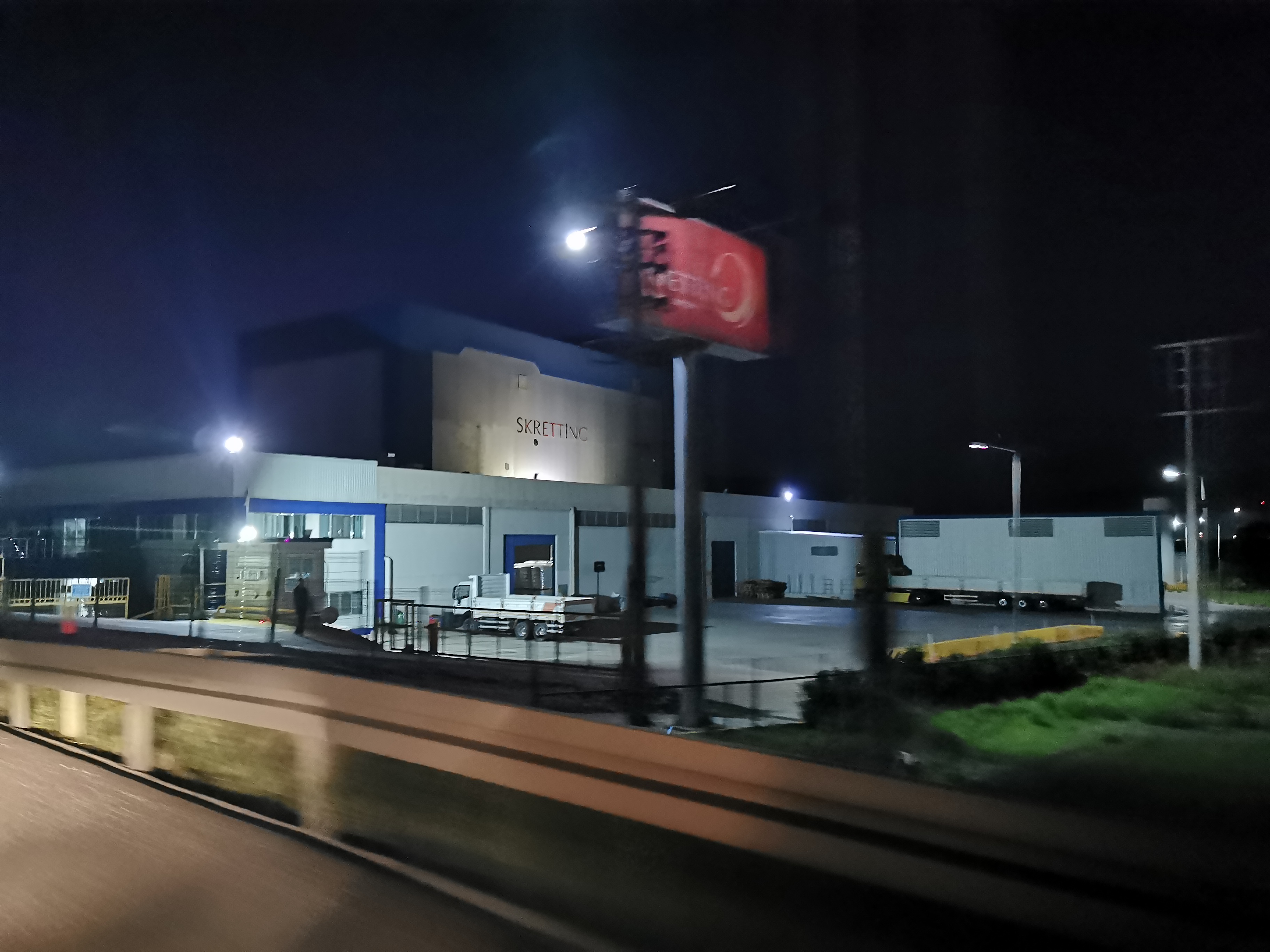
Den norsk-nederlandske fiskefôrprodusenten i Tyrkia viser til problematiske MarinTrust-sertifikater for å forvare innkjøp fra det okkuperte Vest-Sahara.
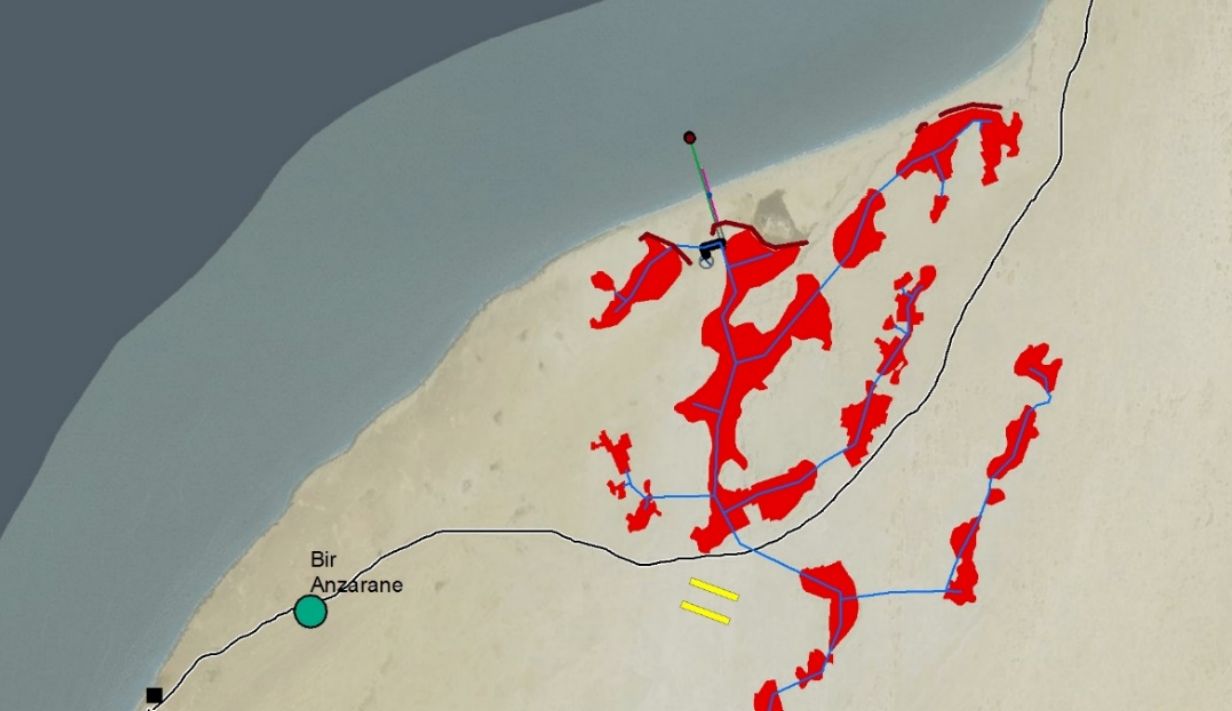
339 milliarder er plassert i selskaper med operasjoner i okkuperte Vest-Sahara.
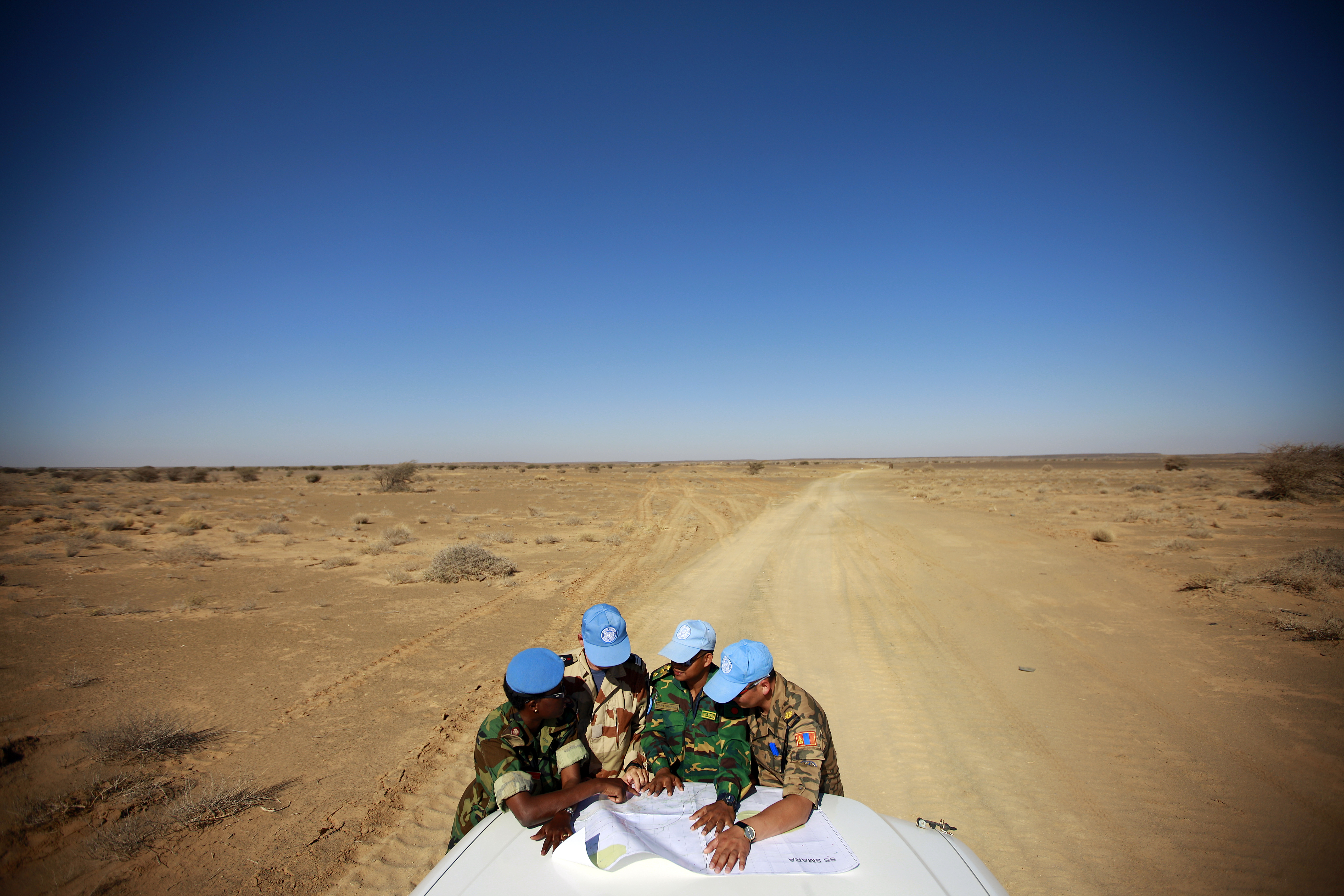
31. oktober 2025 ble en ny resolusjon vedtatt i FNs Sikkerhetsråd som ber saharawiene forhandle om en løsning som innebærer at de skal inkorporeres i okkupasjonsmakten Marokko.
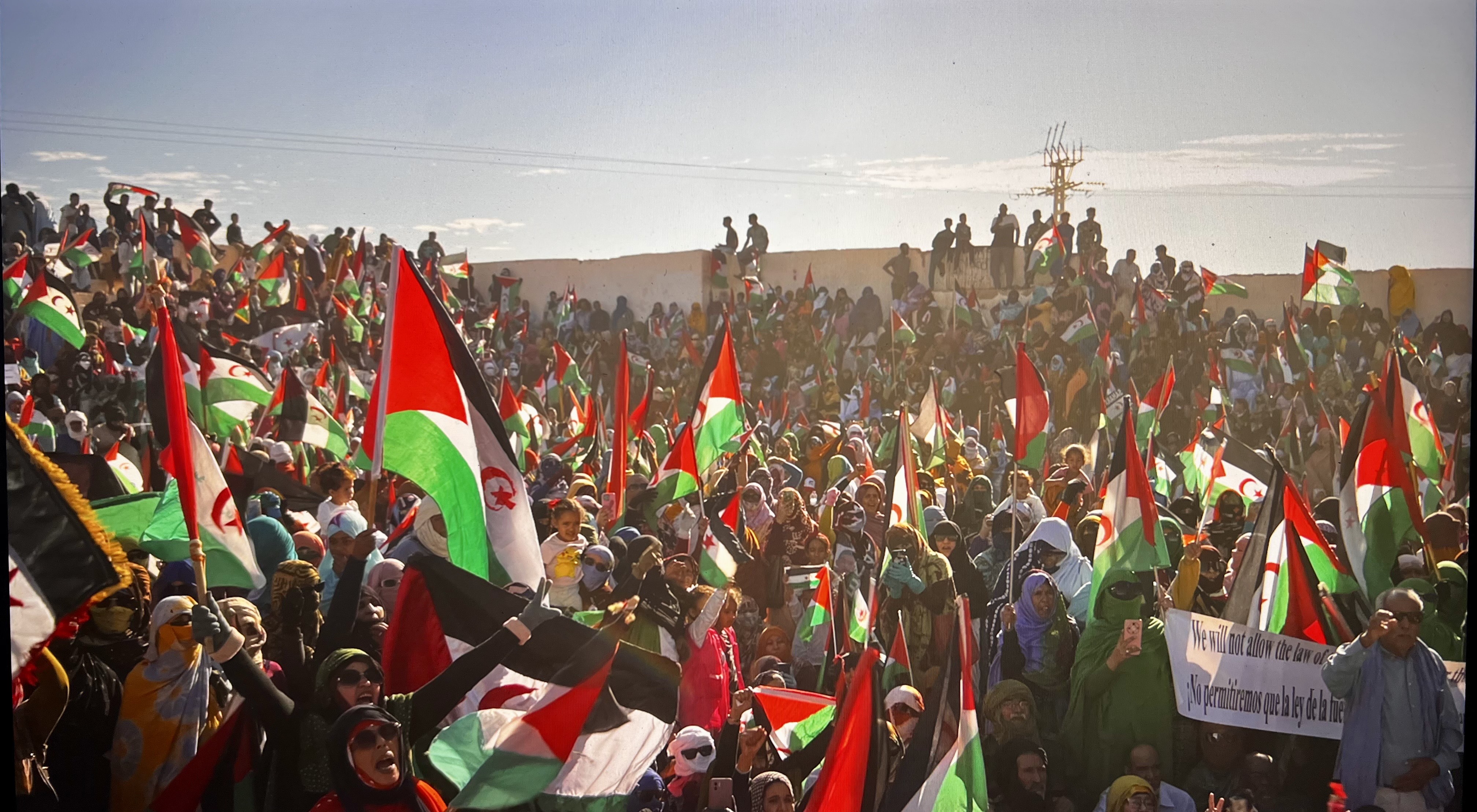
USA foreslår i et møte i FNs Sikkerhetsråd på torsdag at okkuperte Vest-Sahara skal innlemmes i Marokko.

Vi er en liten forening, men har fått store gjennomslag.
Det delvis norske fôrkonsernet innrømmer bruk av fiskemel fra det okkuperte Vest-Sahara. Selskapet ble nødt til å fjerne en feilaktig henvisning til et bærekraftssertifikat fra sine nettsider.
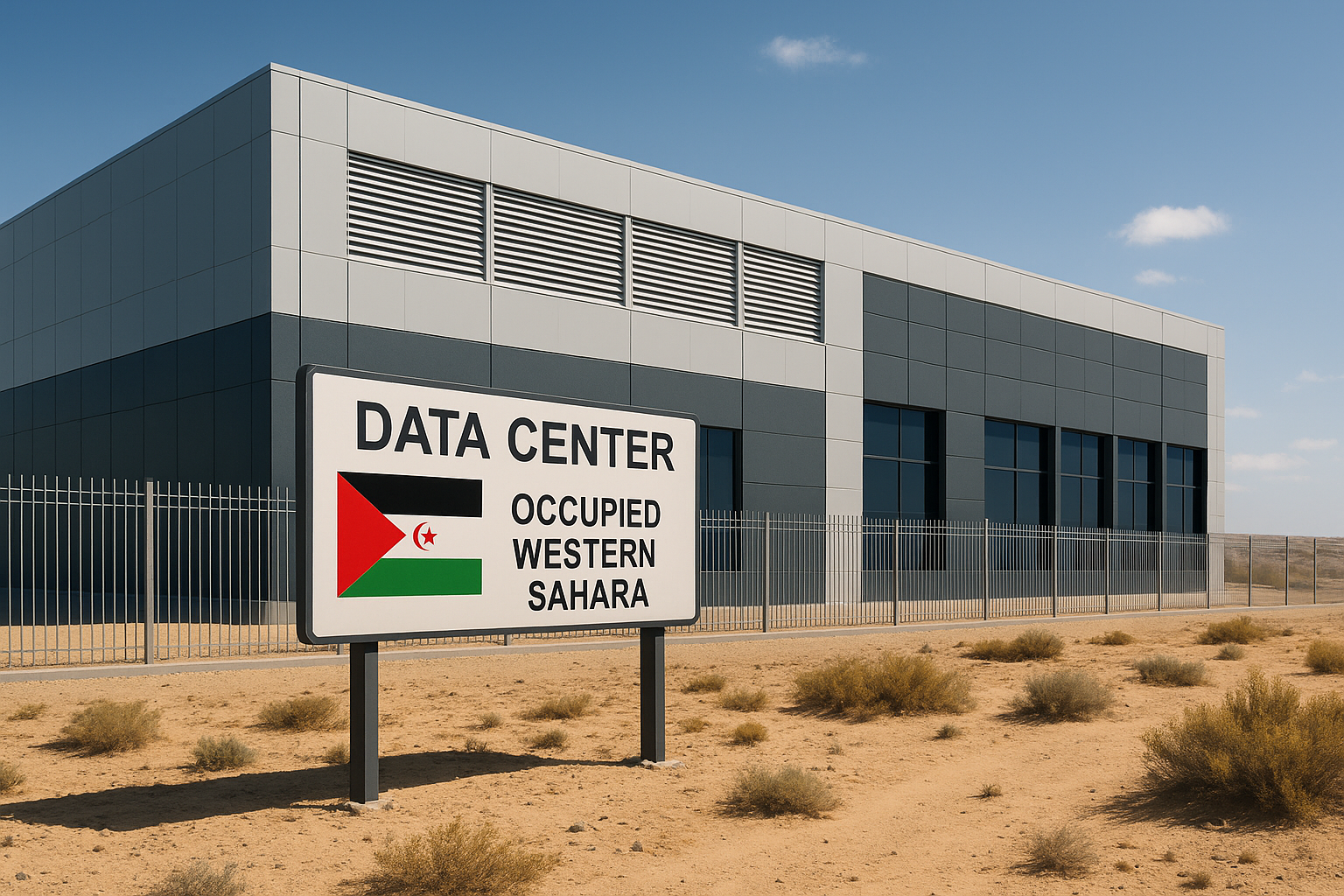
Et datasenter på 500 MW for kunstig intelligens planlegges i det okkuperte territoriet.
Nesten ett år etter at EU-domstolen opphevet handelsavtalen mellom EU og Marokko for å inkludere det okkuperte Vest-Sahara, ser Brussel ut til å være klar for å teste grensene for folkeretten på nytt.